
Survey
The Panic! survey provides the most wide-ranging picture to date of working life across the core sectors of the cultural and creative industries in the UK.
In September and October 2015 the Panic! national survey was circulated widely to those working in the creative and cultural sector with the aim to uncover the social background of those working in the arts from how their higher education was funded, to where they can afford to live.
The findings provide hard evidence for the common impression that the arts sector is a closed shop where most people are middle class and it also made revealing discoveries about how gender and ethnicity can affect a career in the arts and how higher wage earners view the sector in comparison to lower wage earners.
In total 2,539 people working in all core areas of the cultural industries contributed to the survey by way of an open call on theguardian.com. Museums, galleries and libraries; performance and music; and visual arts were the best represented categories and although the survey found significant discrepancies in the way people working in the arts view the sector, it showed overwhelmingly that the arts can be a precarious industry where support structures from families are essential to allowing those working in the industry to succeed.
The most revealing findings of the survey are:
- Those that earn over £50,000 p/a are most likely to believe that they got there through hard work, talent and ambition. Those earning under £5,000 p/a are most likely to believe that it’s not about what you know but who you know.
- The majority of white people in the arts don’t acknowledge the barriers facing BAME people trying to find a foothold in the sector.
- Women are more likely than men to have worked in the arts sector for free and once paid are generally paid less than their male counterparts.
The survey also found that an overwhelming majority of respondents working in the arts (76%) had at least one parent working in a managerial or professional (i.e. ‘middle class’) job whilst they were growing up and that over half had at least one parent with a degree whilst growing up. When this is paired with the fact that nearly 90% of respondents had worked for free at some point in their career, the Panic! research paints a bleak picture that if young people don’t have parents that are able to support them in their pursuit of a creative career then it is an extremely hard to break into the industry.
More key findings:
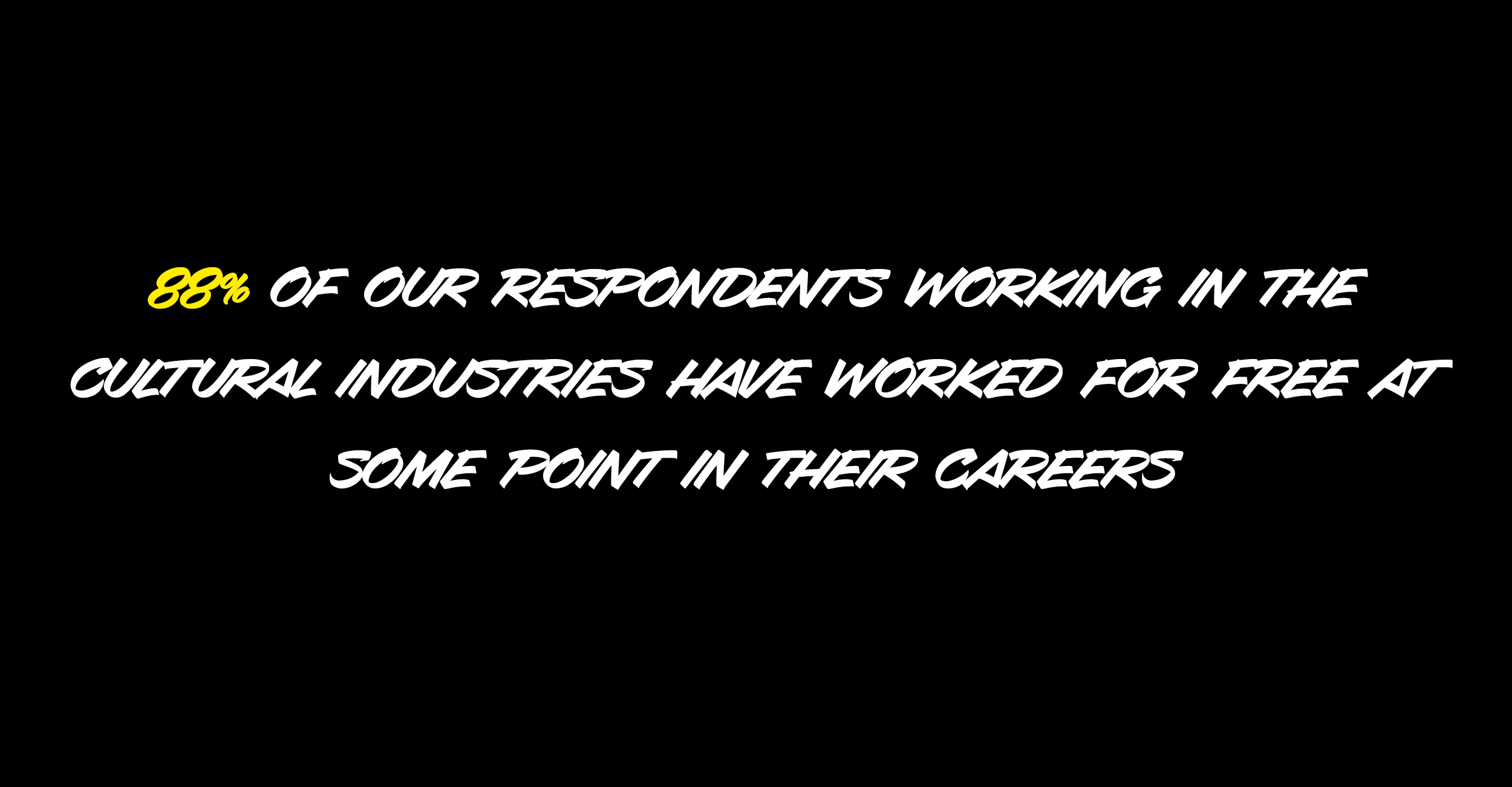
- 88% of our respondents working in the cultural industries have worked for free at some point in their careers.
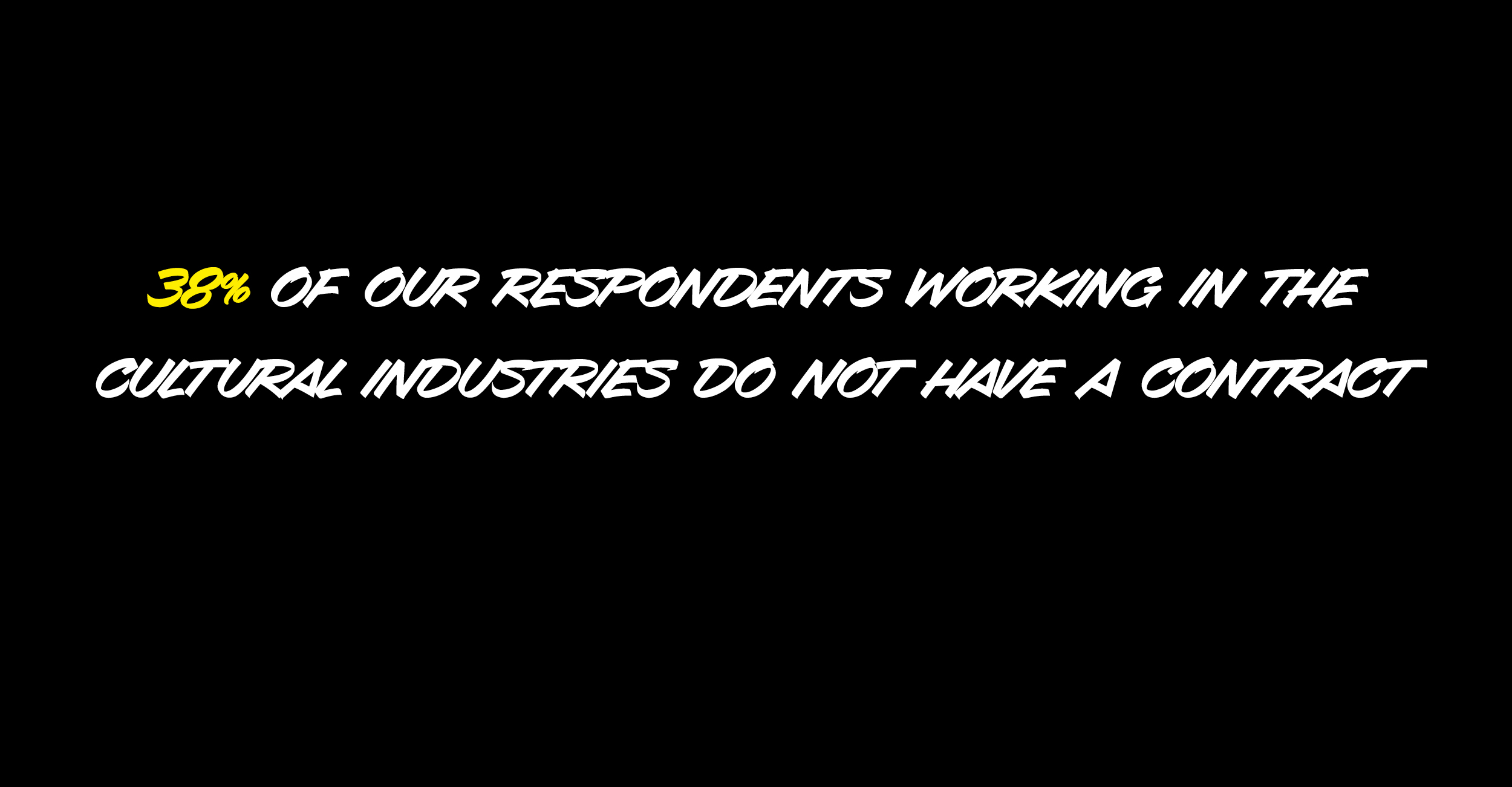
- 38% of our respondents working in the cultural industries do not have a contract.
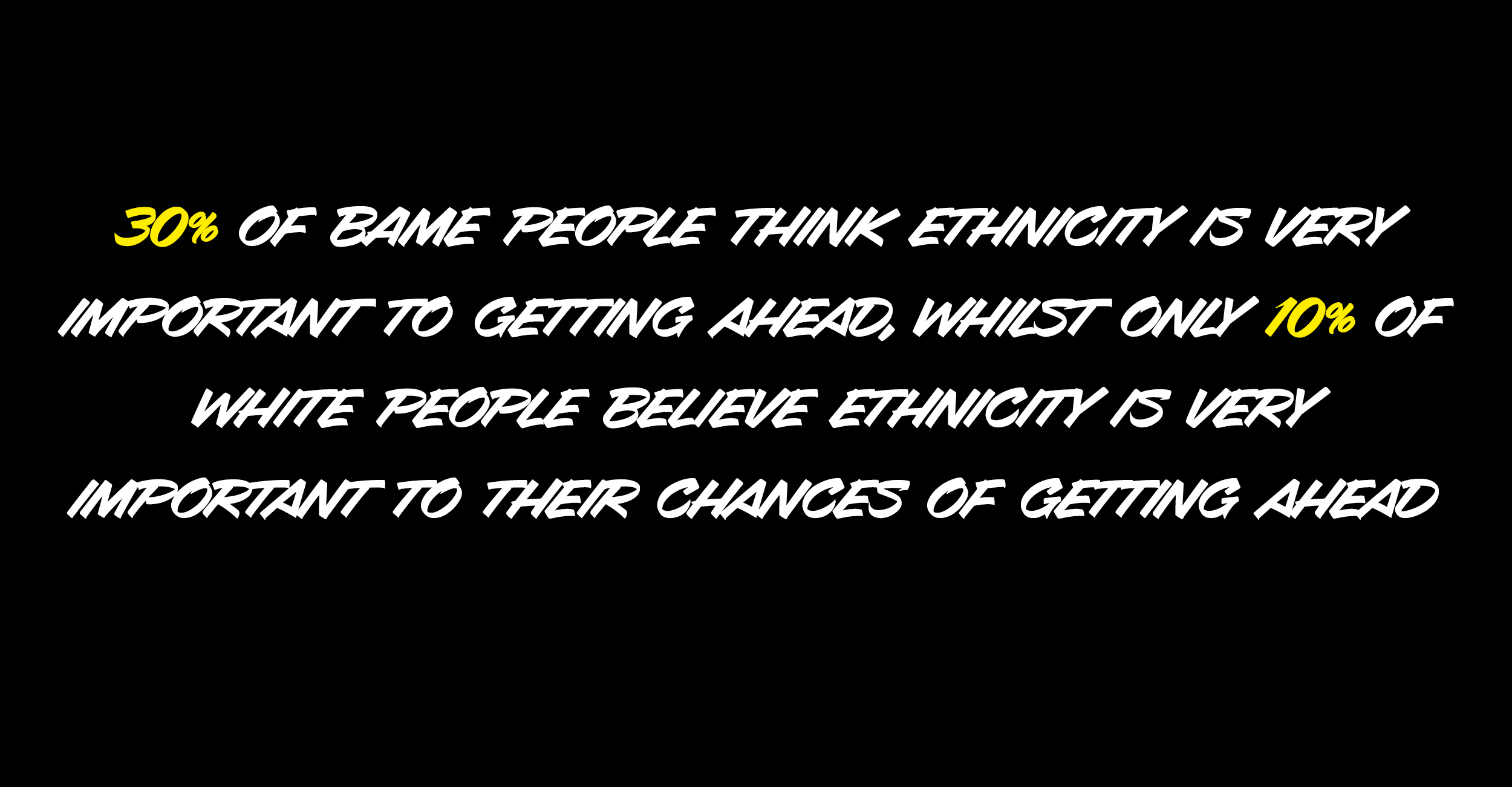
- 30% of BAME people think ethnicity is very important to getting ahead, whilst only 10% of white people believe ethnicity is very important to their chances of getting ahead.
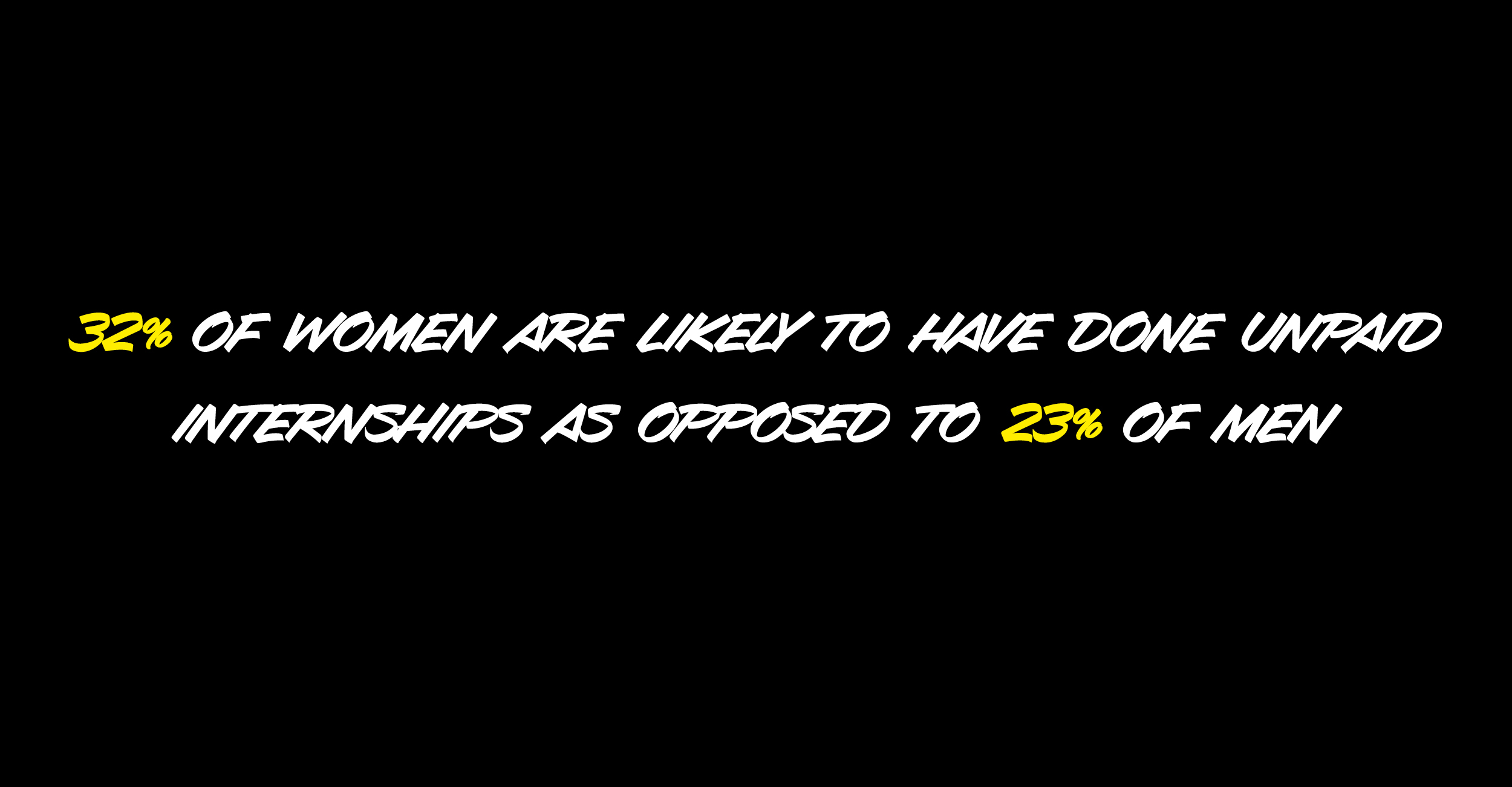
- 32% of women are likely to have done unpaid internships as opposed to 23% of men.
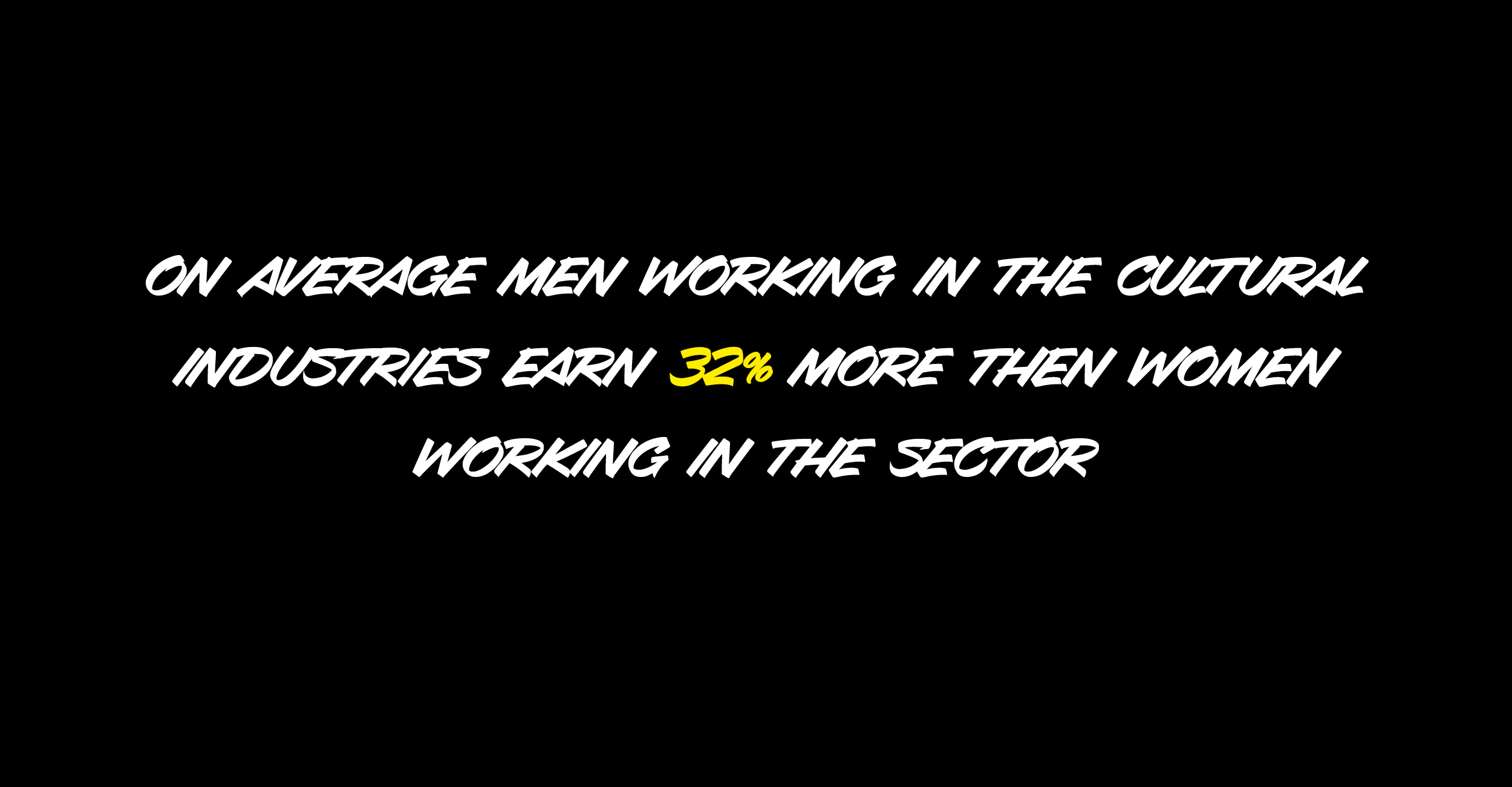
- On average men working in the cultural industries earn 32% more then women working in the sector.
What do these findings mean to the UK’s creative and cultural sector? Panic! will host a season of debates, music and film bringing together people from across the political spectrum to reflect upon the findings of the survey and encourage government, cultural institutions and businesses to reflect on their part in the situation.